The Other Side of the River
Written and Photographed by Miranda Carnessale
April 2026
New Jersey has quietly become one of the most compelling production states in the country. Snapshots from Hoboken, Jersey City, and the irresistible layers of Atlantic City.
FIELD NOTES · FILM & TV PRODUCTION
I'll admit it: I had never really been to New Jersey. I've flown in, driven the turnpike, visited friends in Newark for a day. For many years the state has carried a reputation in the film industry as New York City's backlot. But as the hype has grown and the consensus solidified — that New Jersey is now one of the busiest production states in the country — I felt compelled to find out for myself what the draw was beyond the tax incentive, specifically when it comes to visuals and locations.
New Jersey and New York together currently lead the United States in film and television production. That's not a rumor — it's the reality shaping where studios are placing their bets. I sat down with David Schoner, Senior Advisor at New Jersey Motion Picture and Television Commission, who has worked in the LMGI Award-winning office since 1985.
The centerpiece of New Jersey's pitch is a tax credit structure that Schoner describes with justifiable confidence. Rates range from 30 to 35 percent depending on category — but what sets the program apart is speed. The credit pays out within five to six months, a timeline that puts New Jersey ahead of most comparable destinations where twelve to eighteen months is standard.
Beyond the incentive, Schoner talked up the state's Film Ready initiative. "New Jersey has 563 municipalities, and each one has complete autonomy when it comes to rules and regulations," he explained. The state film office established a set of film-friendly guidelines that municipalities can adopt to become certified, which is essentially a streamlined set of film guidelines productions can rely on when choosing an area to film. There are currently over 50 Film Ready entities statewide — a number expected to exceed 100 by next year.
01 — STOP ONE: Hoboken
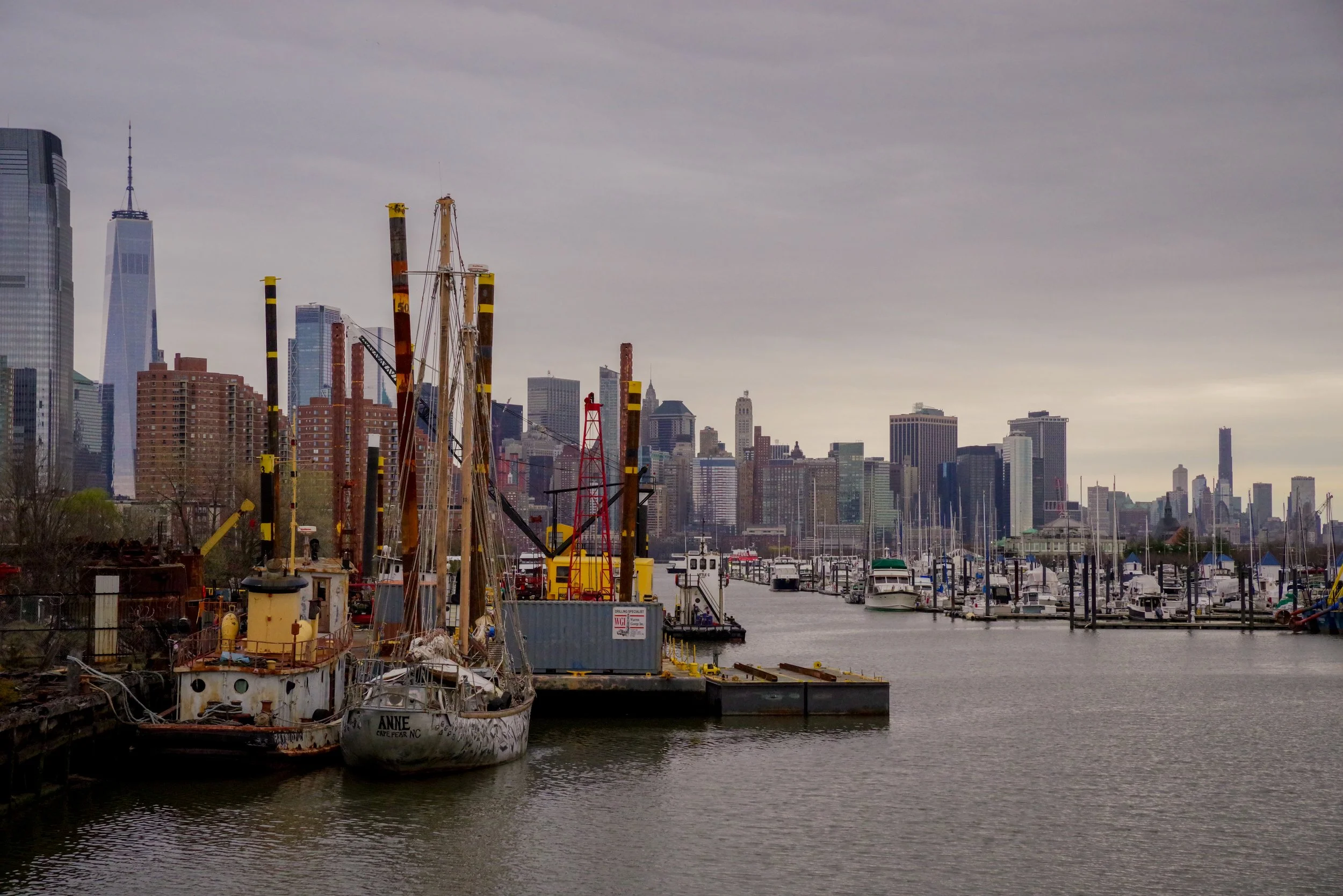
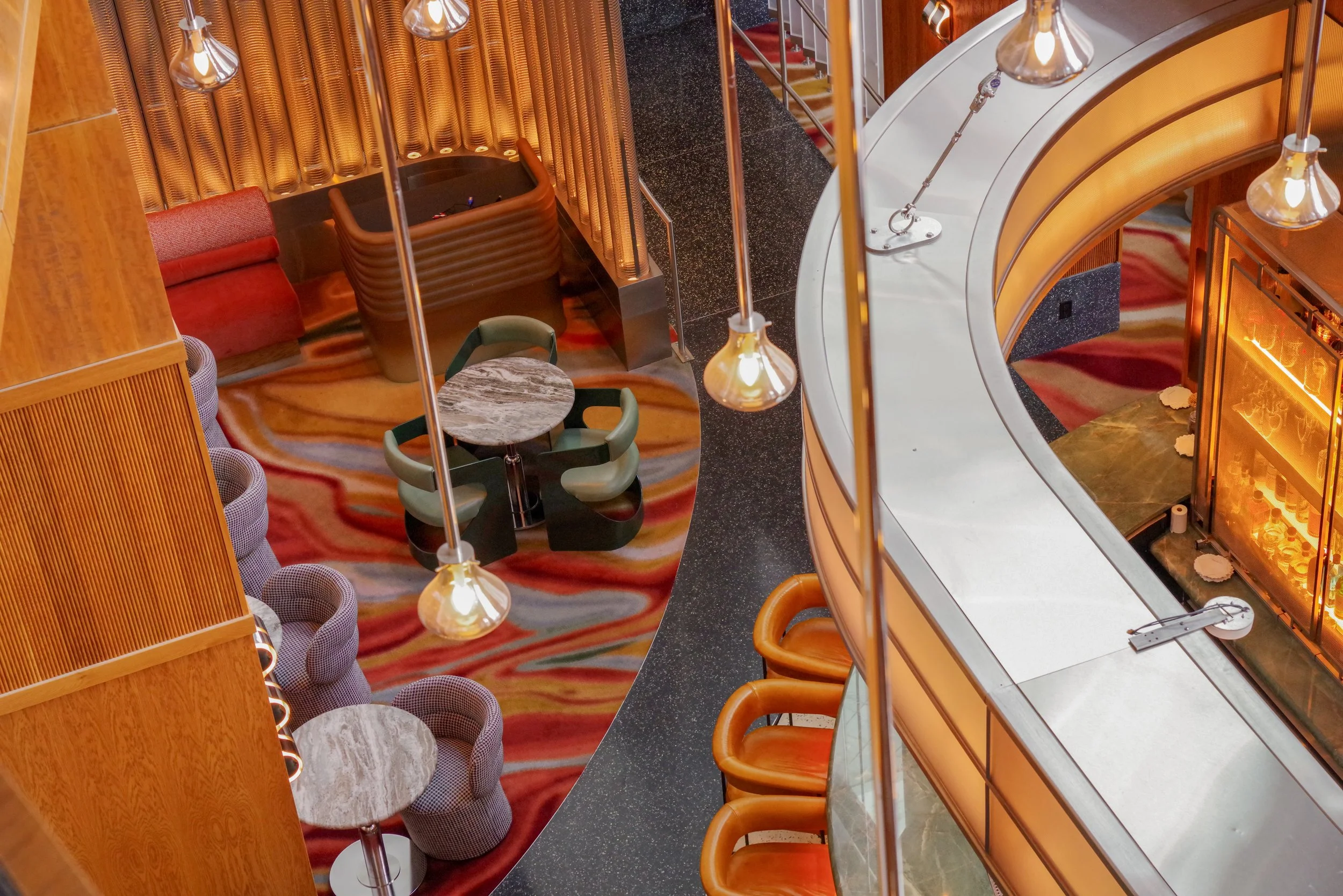
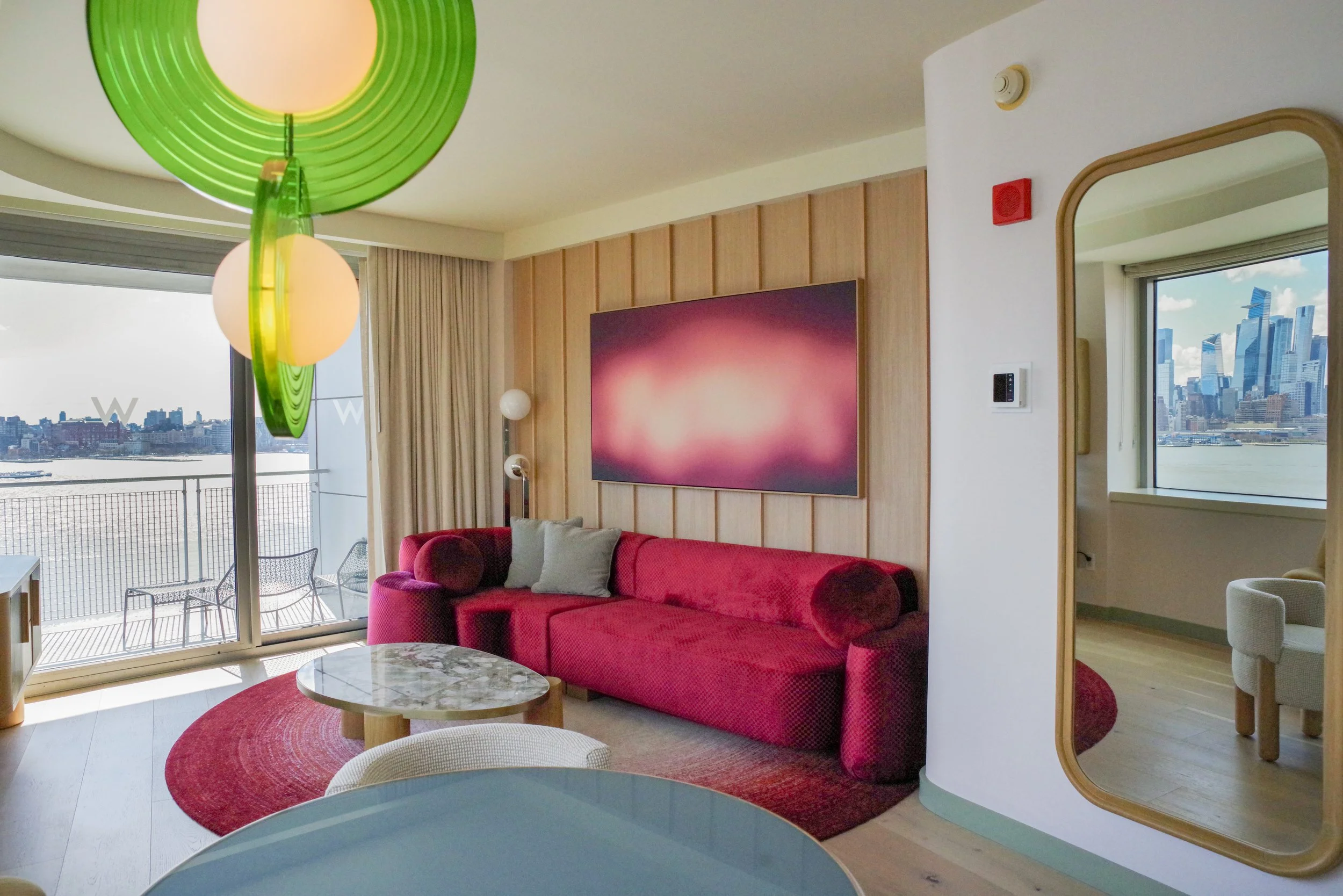
Base camp was the W Hoboken, recently renovated and earning every bit of it. The rooms are exquisitely appointed — the kind of tactile design a production designer would notice immediately. But the real asset is position: right on the waterfront, with an unobstructed view of the Manhattan skyline across the Hudson like a painted backdrop. From my perspective, the adjacent waterfront path and proximity to shops and restaurants on Washington Street lend a genuine livability for cast and crew working long days.
The hotel strikes a strong balance between scale and flexibility, with over 200 guestrooms (including a collection of suites) and nearly 9,000 square feet of adaptable meeting space that can easily support production needs. Multiple on-site dining options — from the full-service Halifax to the tucked-away Sushi by Bou, along with more casual bar and in-room offerings — make it easy to keep cast and crew well taken care of without ever leaving the property.
General Manager Joanna Sanchez has made it clear that hosting entertainment and press, as well as filming opportunities, is a priority: “Our vision to become Hoboken’s #1 entertainment partner began more than two years ago during the design phase of our multimillion-dollar renovation, part of W Hotels’ brand evolution. We intentionally expanded our three penthouse suites to include full kitchens—ideal for A-talent and extended-stay production guests—and have since welcomed productions that have both stayed with us and filmed on property.”
02 — STOP TWO: Jersey City
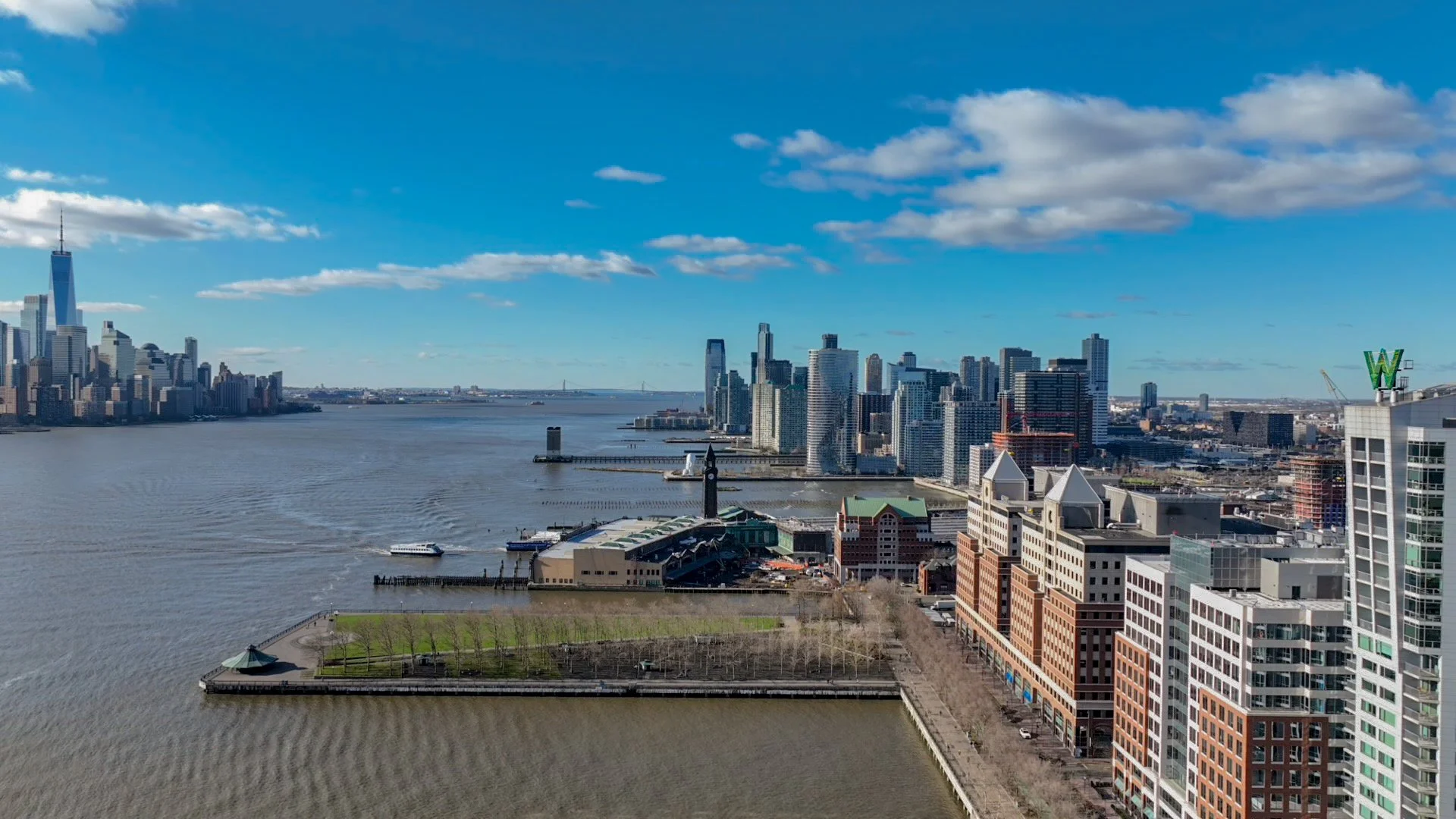
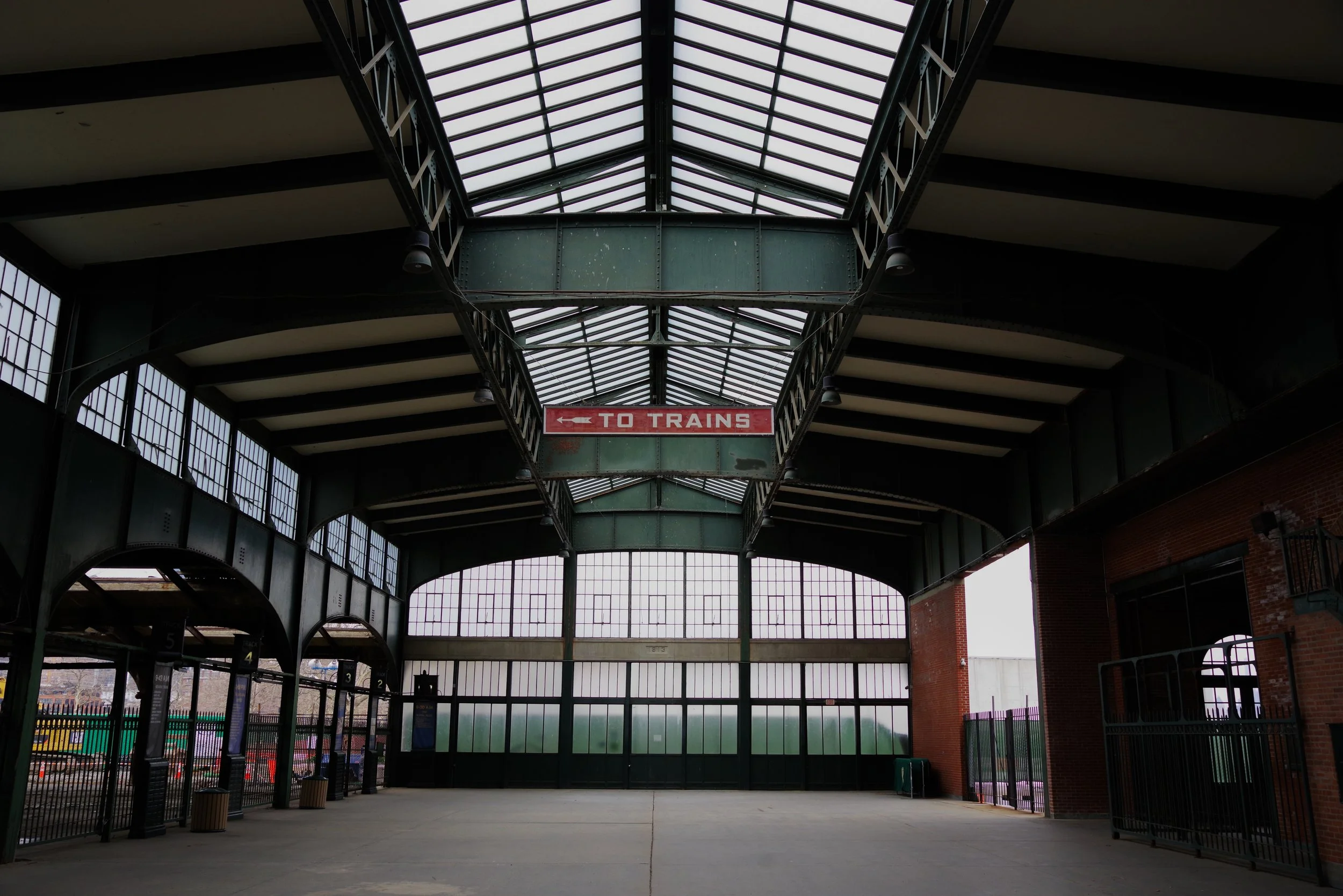
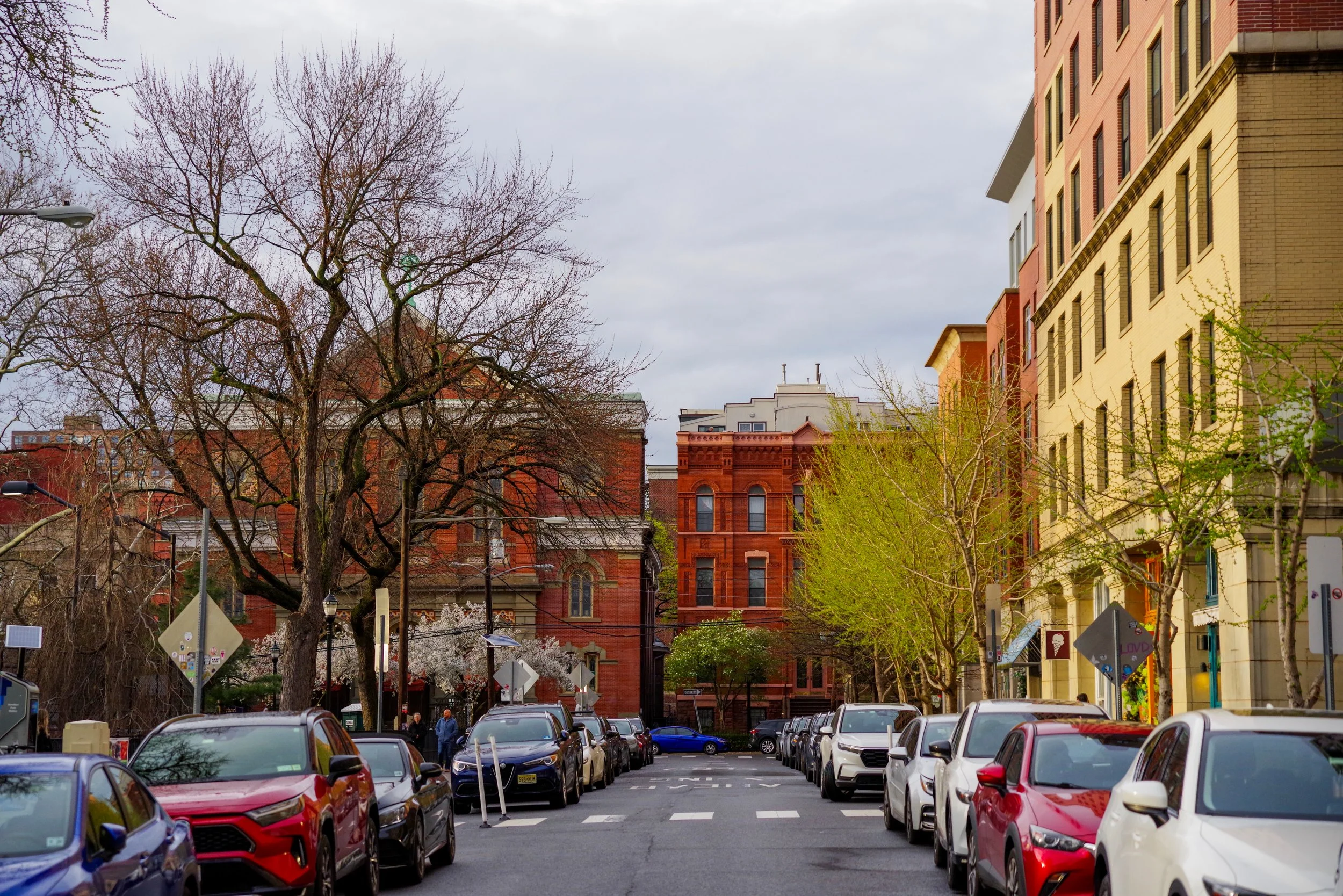
Jersey City is the perfect size and scope to host productions — a small but dense urban downtown, expansive waterfront parks, and various stage space options. The downtown could stand in for any mid-sized American city without visual persuasion, AKA, "anywhere, USA." Streets are accessible, the pace manageable, logistics genuinely straightforward compared to the borough-crossing odysseys New York shoots require.
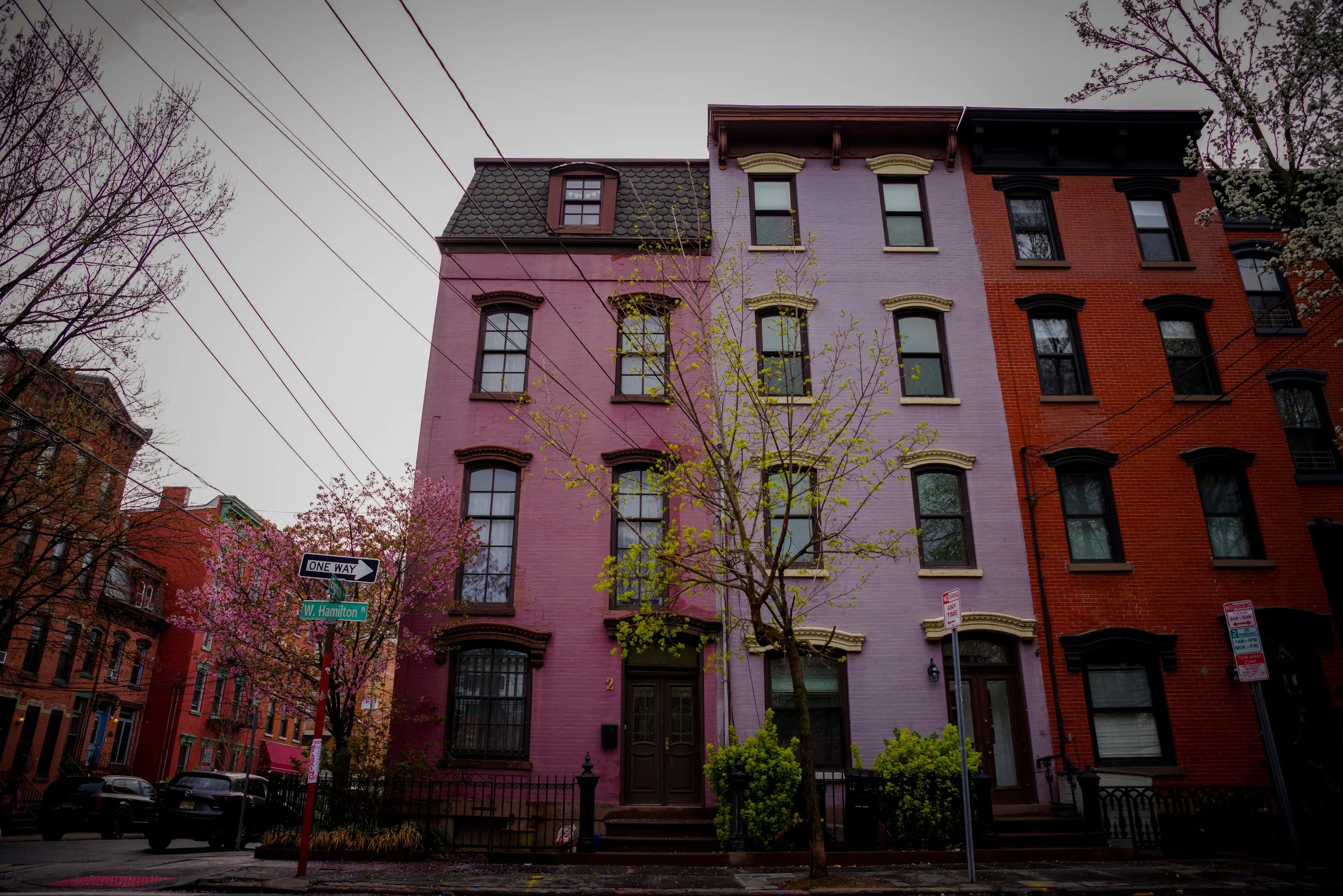
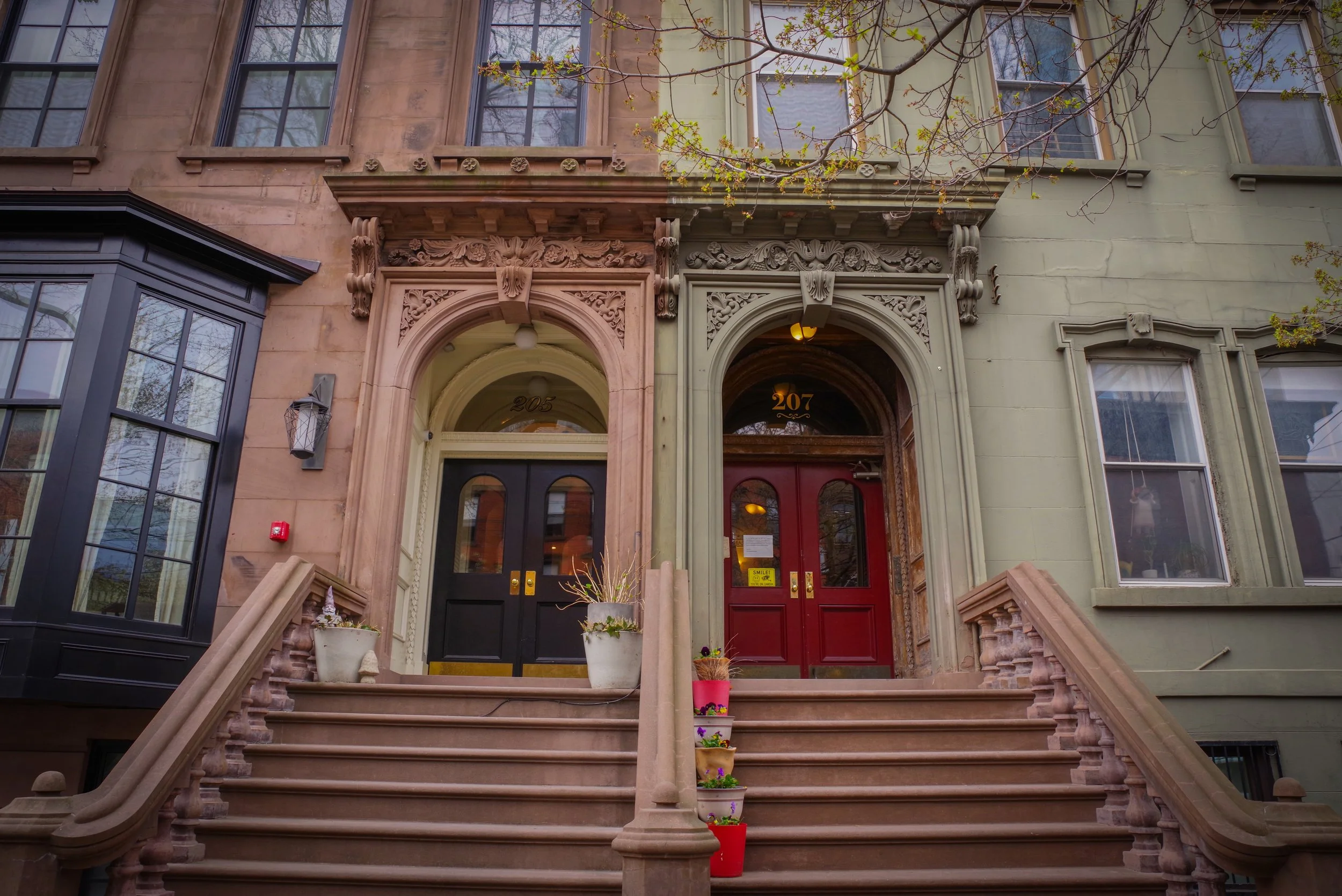
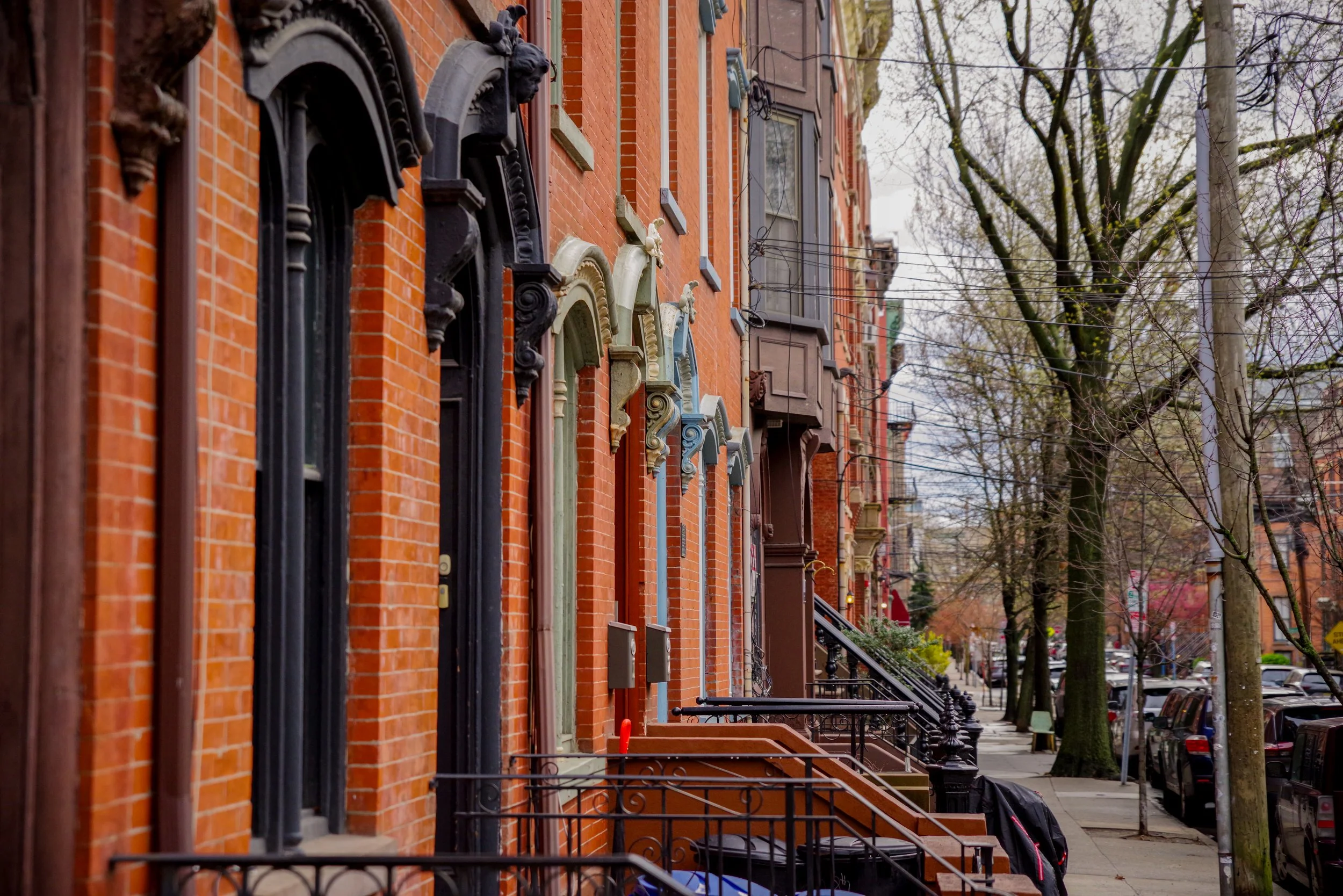
Step off the main thoroughfares and the residential blocks deliver something richer: historic brownstones in various states of preservation, cozy taverns with a lived-in patina. A brownstone block here can convincingly stand in for Boston, Philadelphia, or a dozen other cities depending on how you dress it. The architecture speaks to the entire Eastern Seaboard.
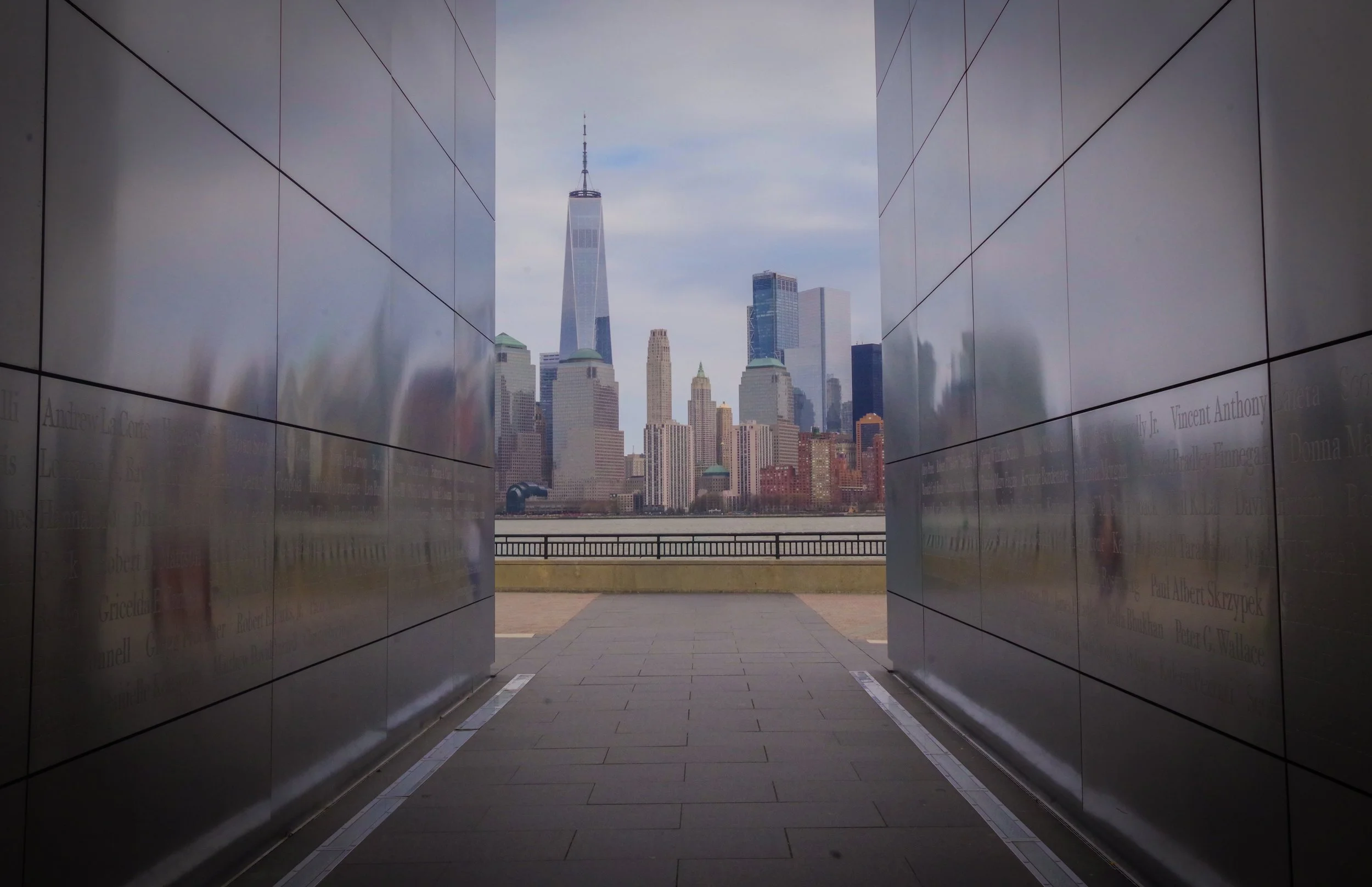
Unlike the view from the outer boroughs, the distance from Jersey City to Manhattan is so slight that the skylines on both sides of the Hudson read as one continuous city. Part of the appeal for cast and crew is that train, bus, and ferry can put you in New York within minutes — a quick escape when the shoot day is done.
03 — STOP THREE: Atlantic City
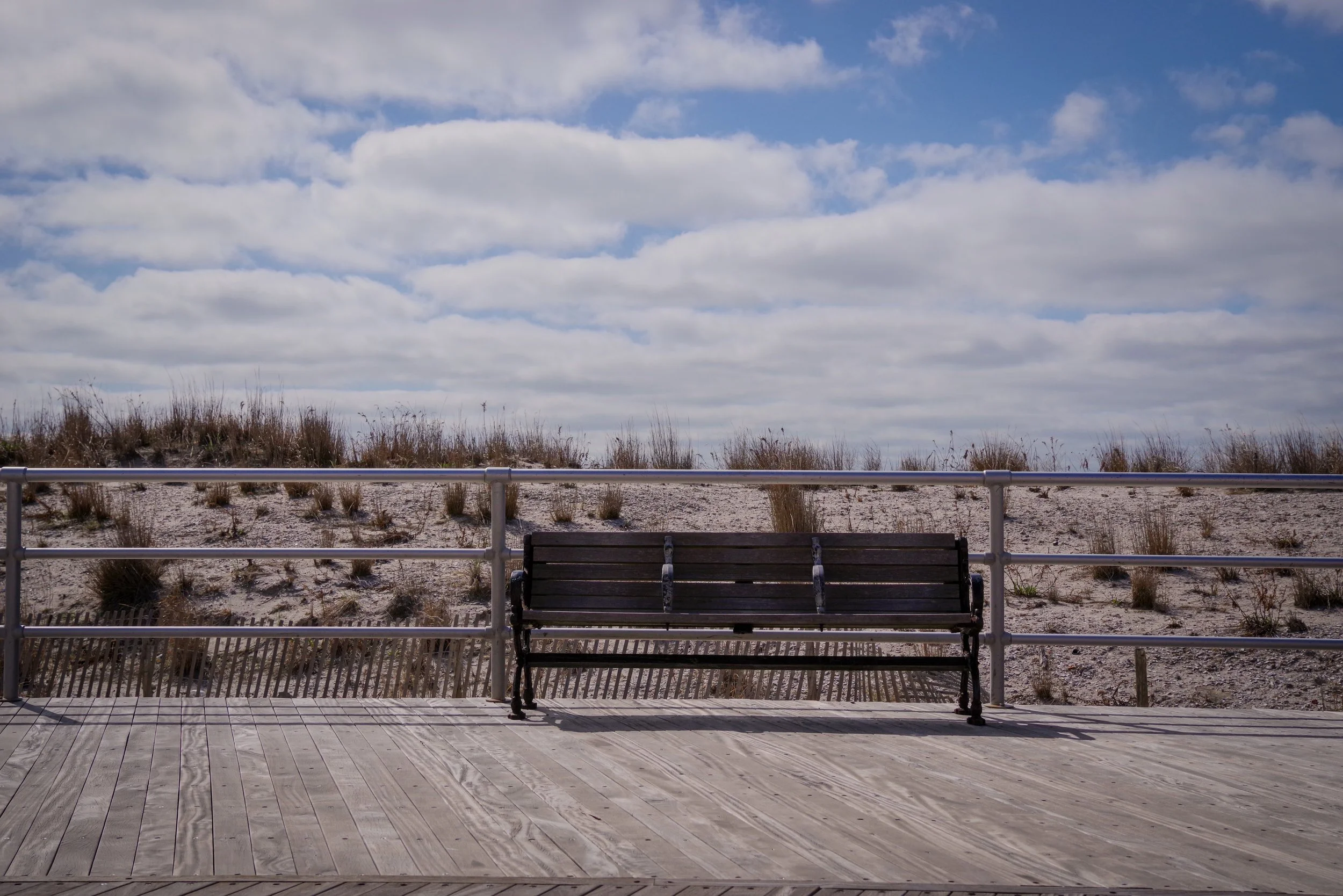
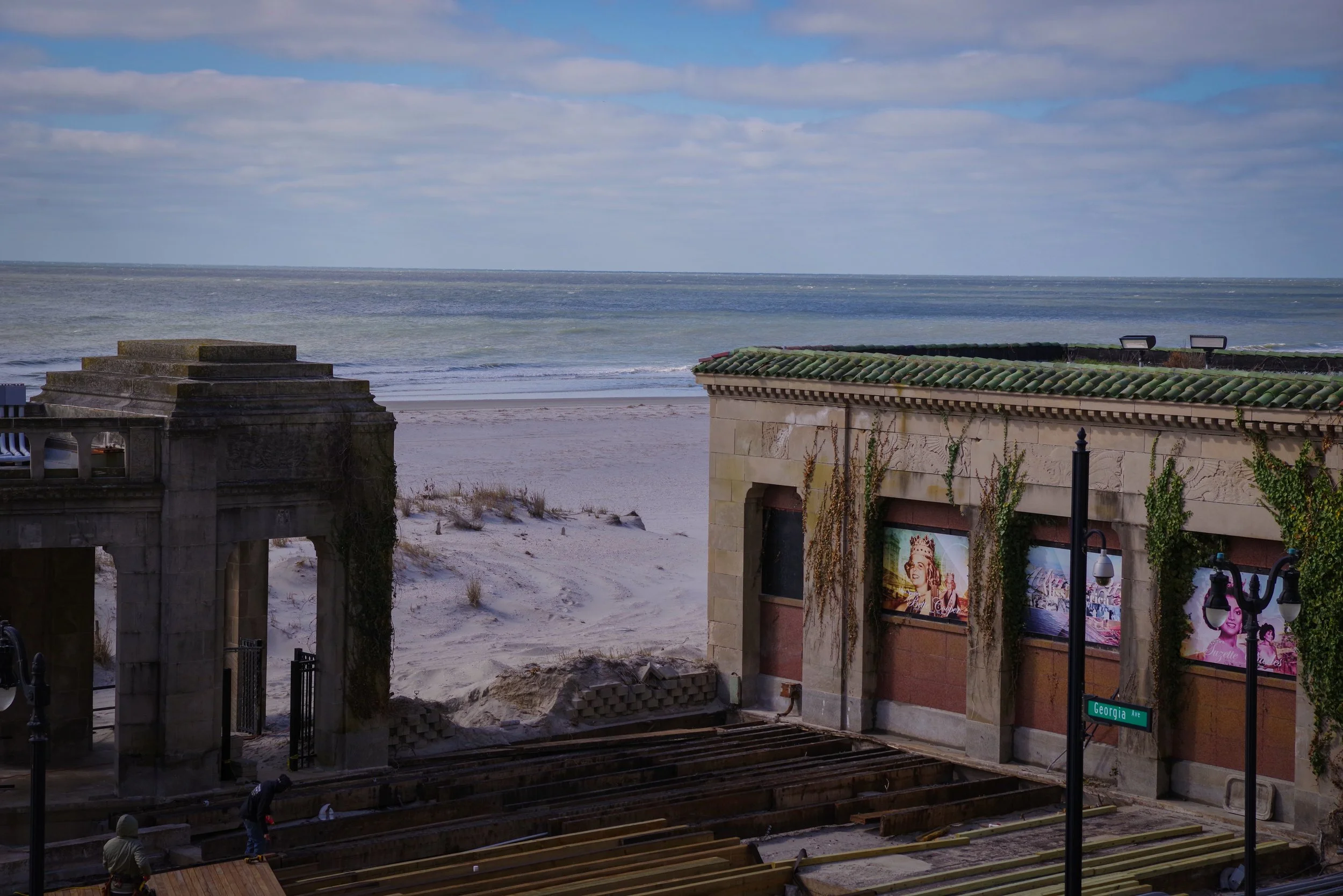
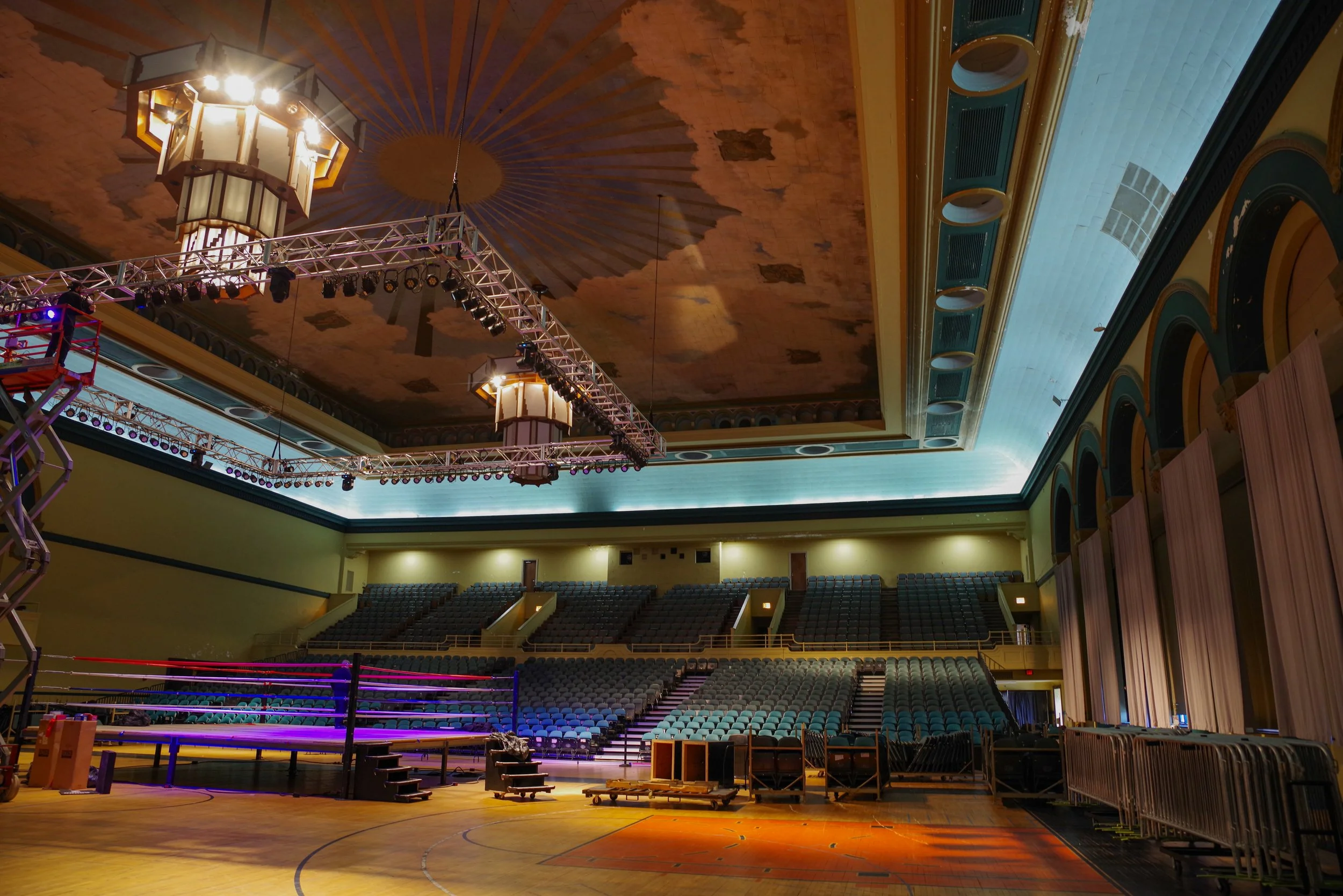
Admittedly, I wasn't entirely enthusiastic about venturing to Atlantic City — frankly, I don't gamble! But after an engaging call with Heather Colache, Tourism Account Director for the Atlantic City Film Commission, I started getting excited. "We make filming easy and fun, she said, “with no permit fees, an incredible team of police and fire, and city officials who truly go the extra mile." What I witnessed firsthand was a marvel: graphic monuments spanning recent decades and earlier eras, clumped together haphazardly and punctuated by negative space — vast plots of undeveloped land stretching for blocks, then abrupt towers rising seemingly out of nowhere.
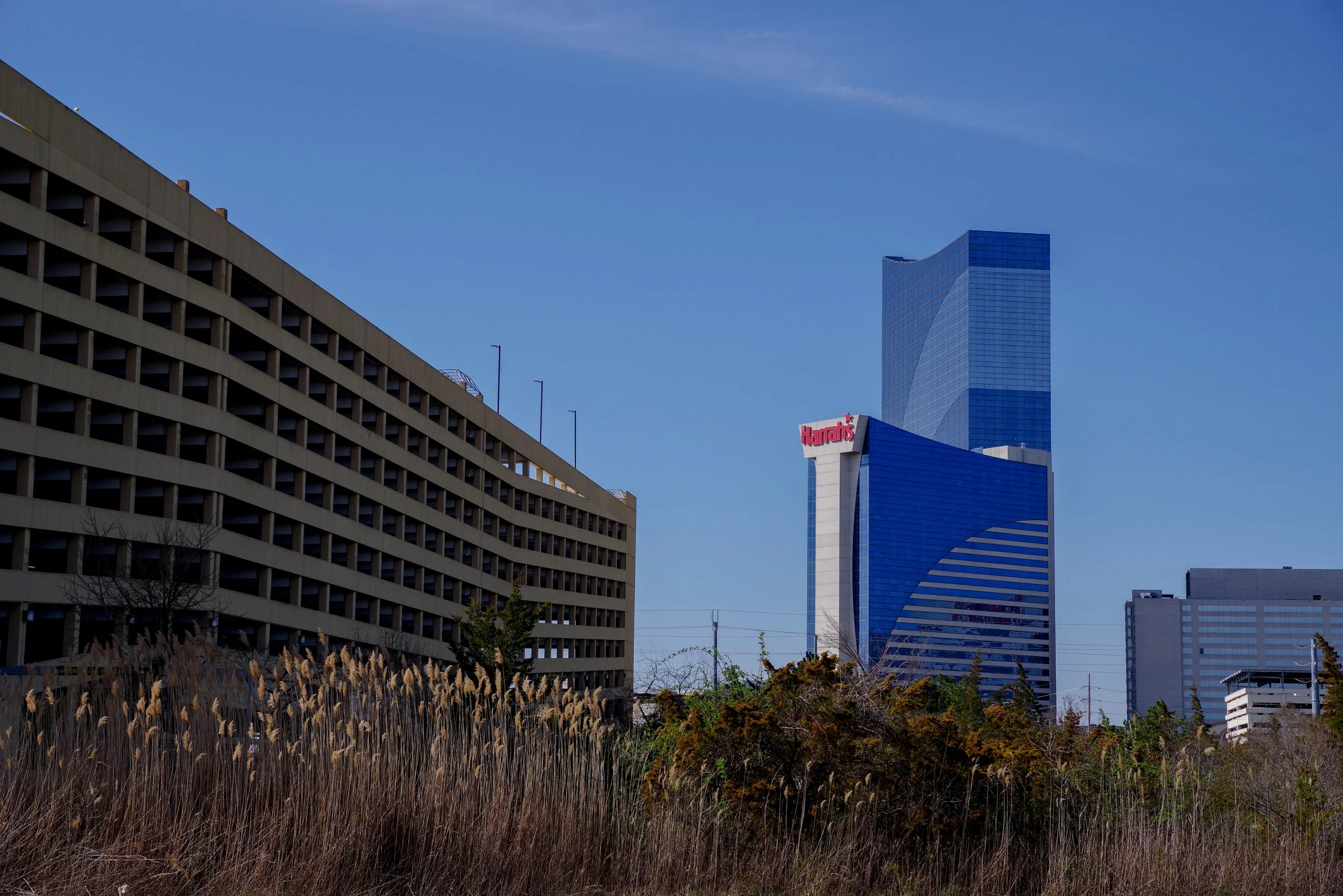
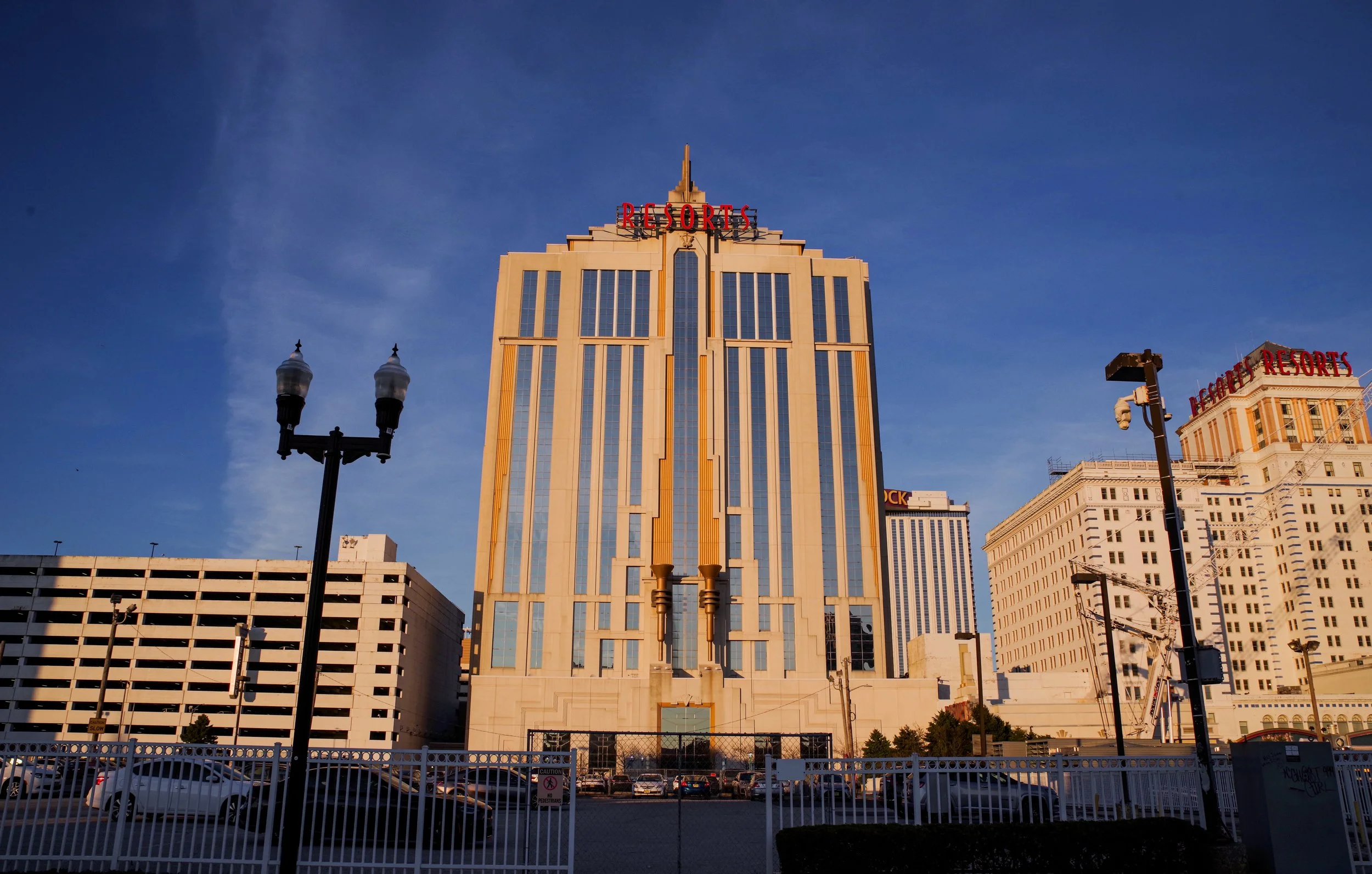
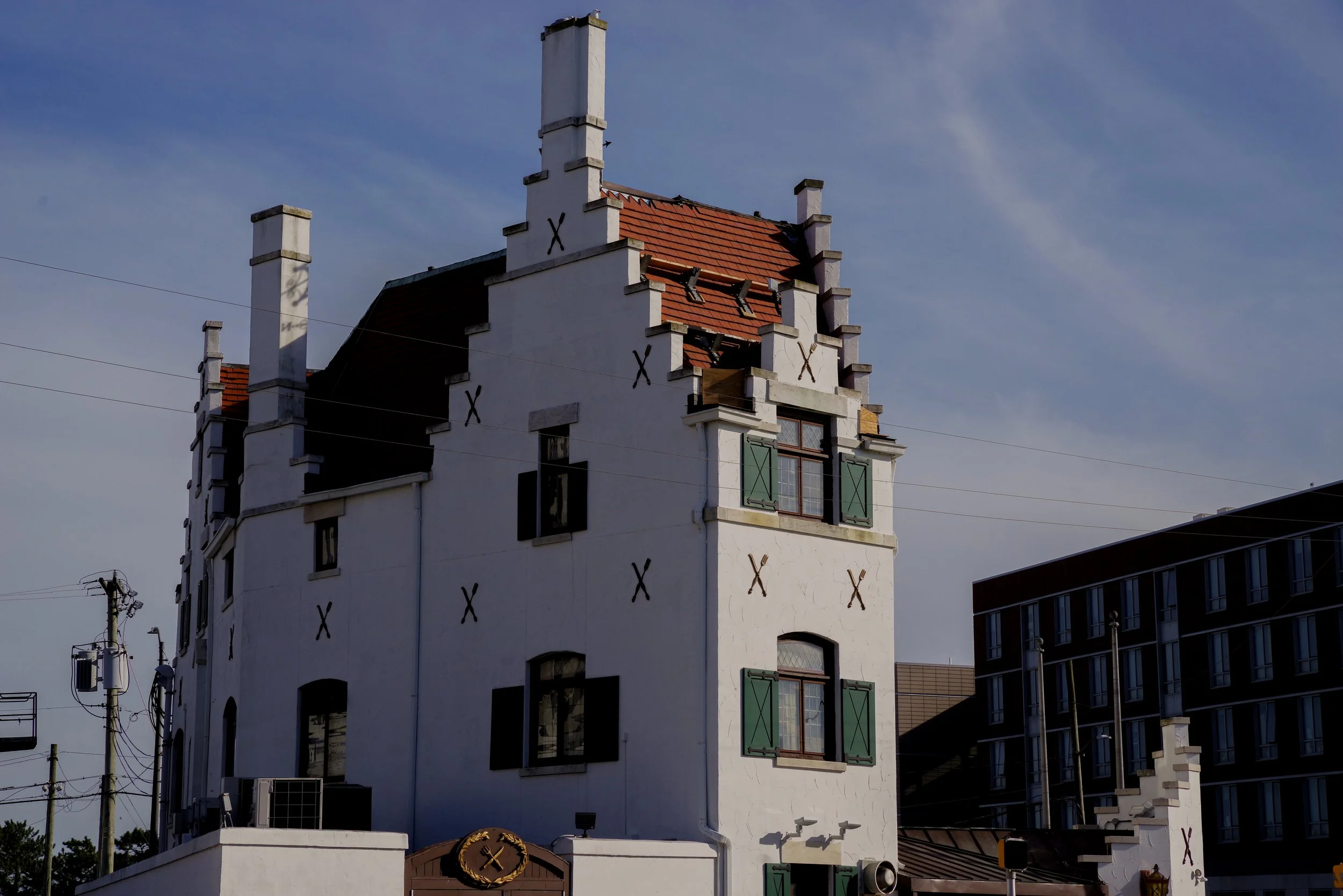
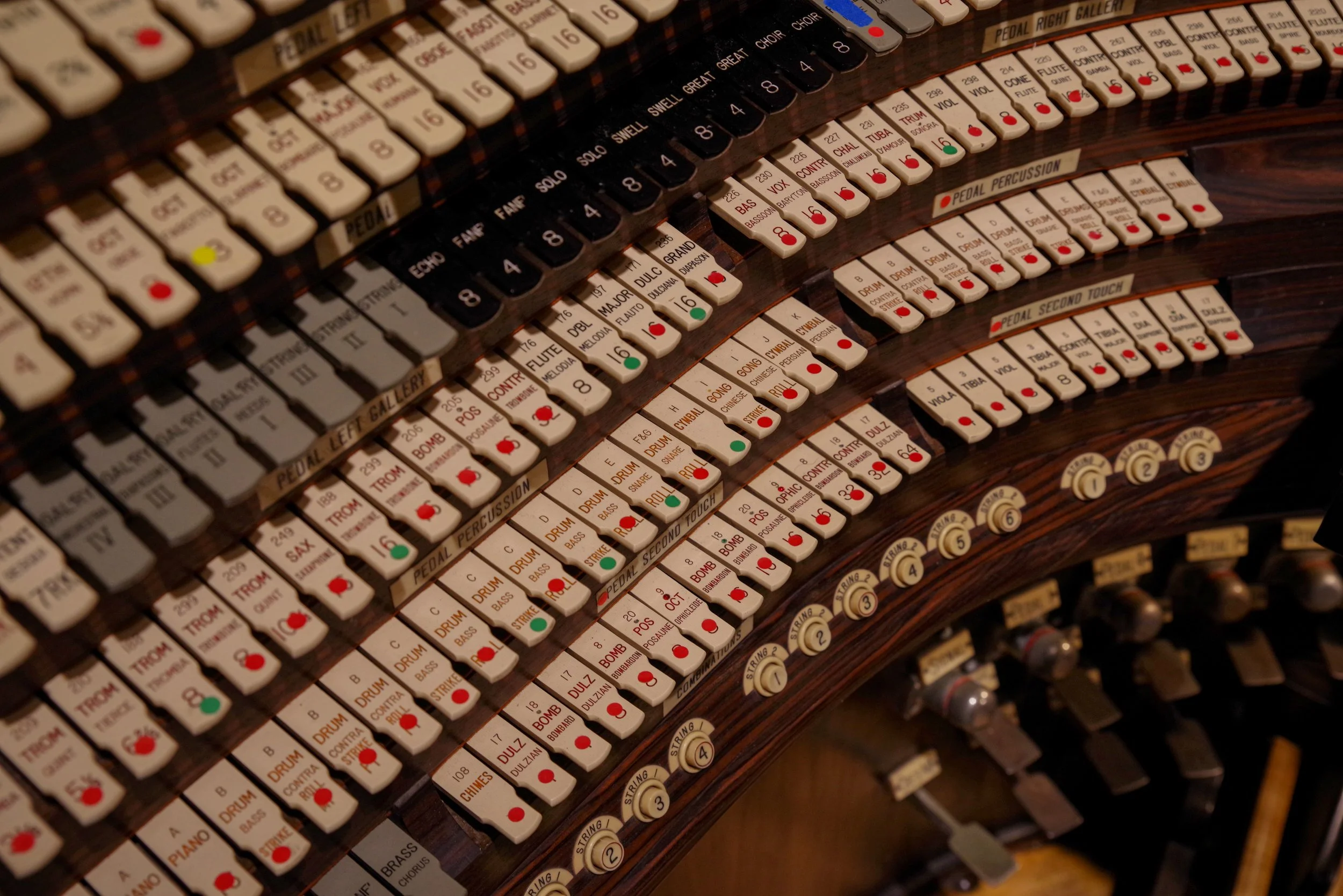
While some crumbling relics still stand, others have their original identities intact — among them Knife and Fork Inn, a three-story steakhouse built as a 1920s speakeasy, preserved in exquisite condition. Jim Whelan Boardwalk Hall, a 97-year-old colossus built for conventions, still boasts the largest pipe organ in the world. Other buildings have been reimagined, their interiors buffed to a contemporary sheen while their bones remain thoroughly mid-century. Even the architecture from the 80s, 90s, and early 2000s is taking on a real retro appeal. The contrast between decline and vitality gives the city a layered quality that is genuinely rare.
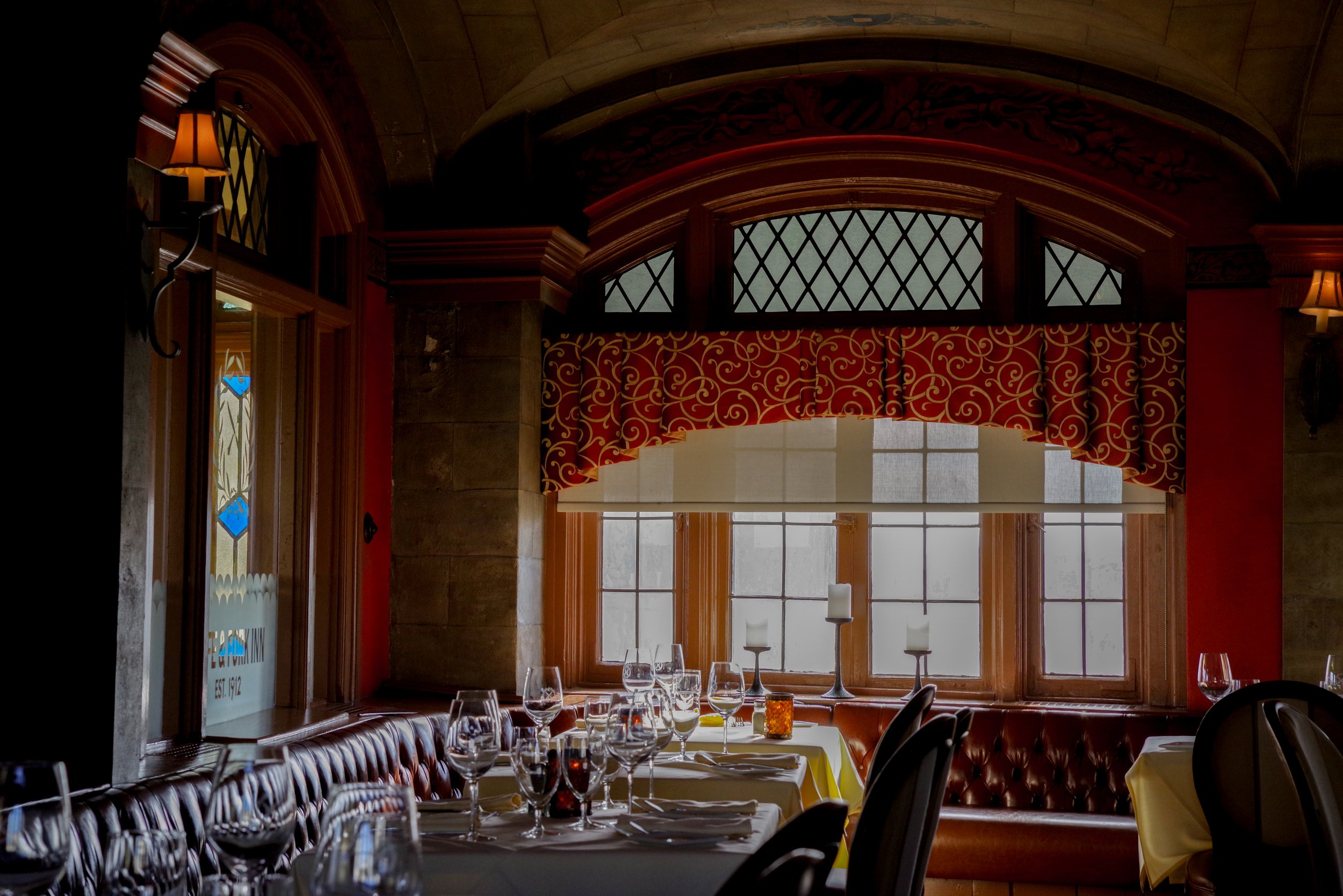
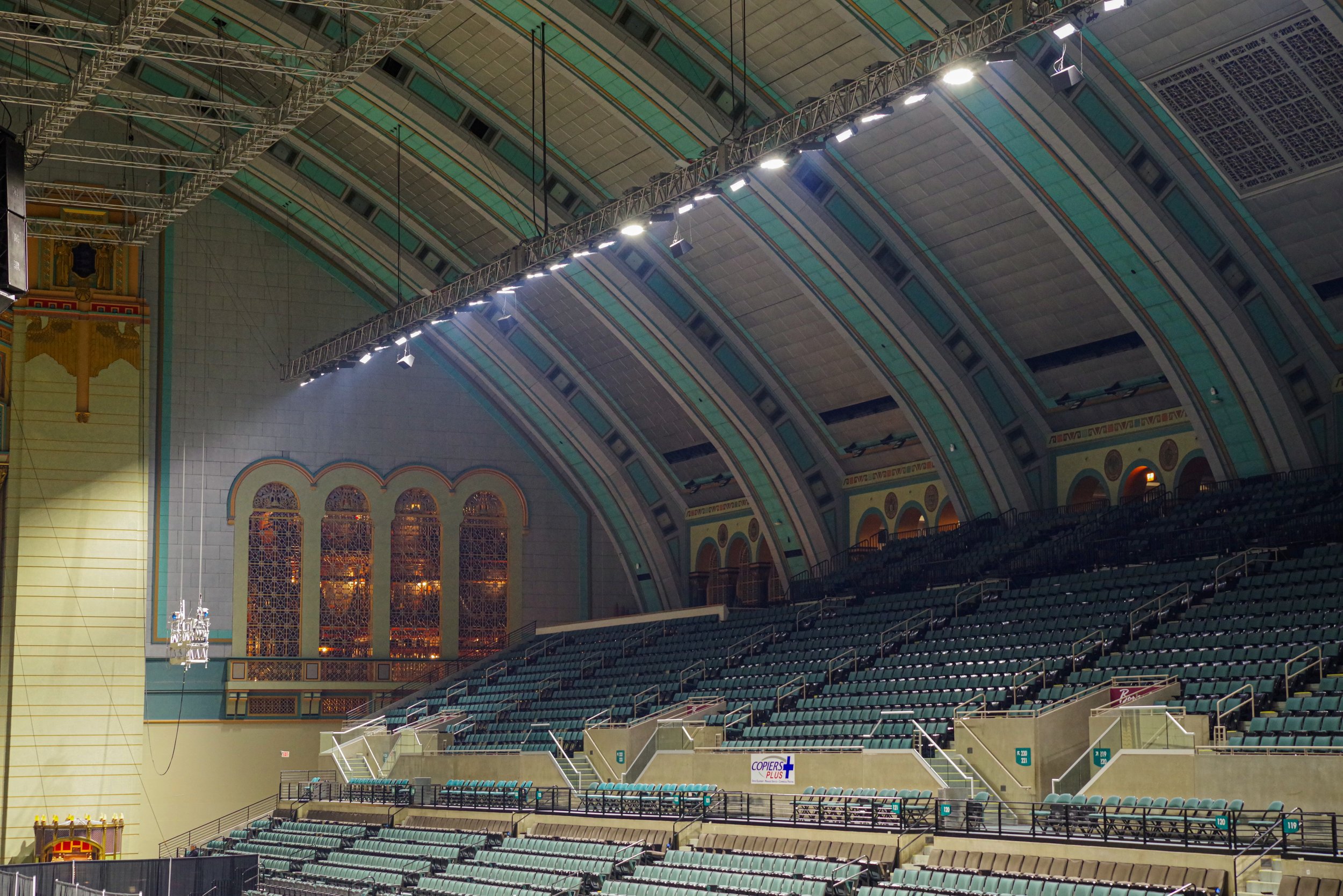
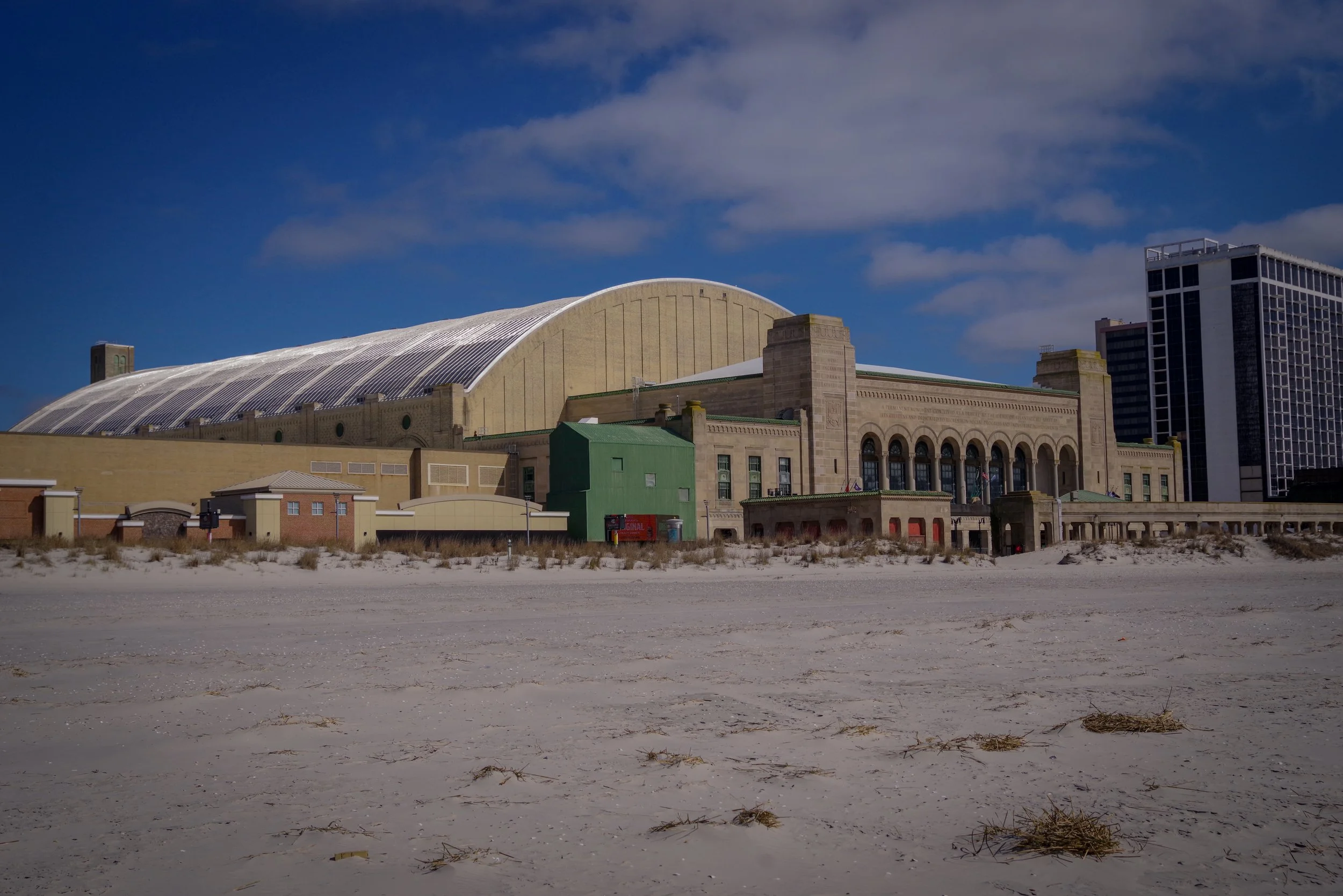
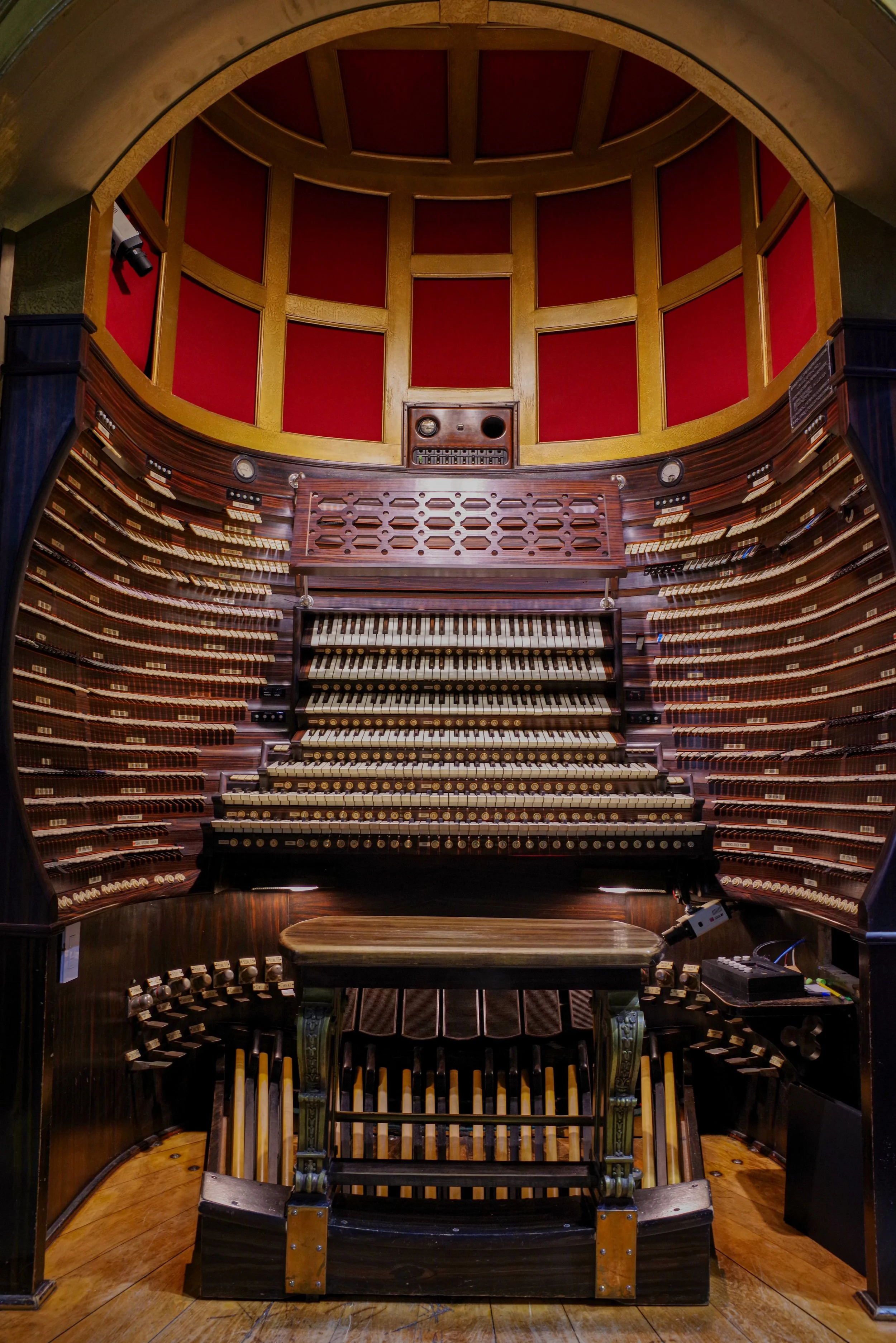
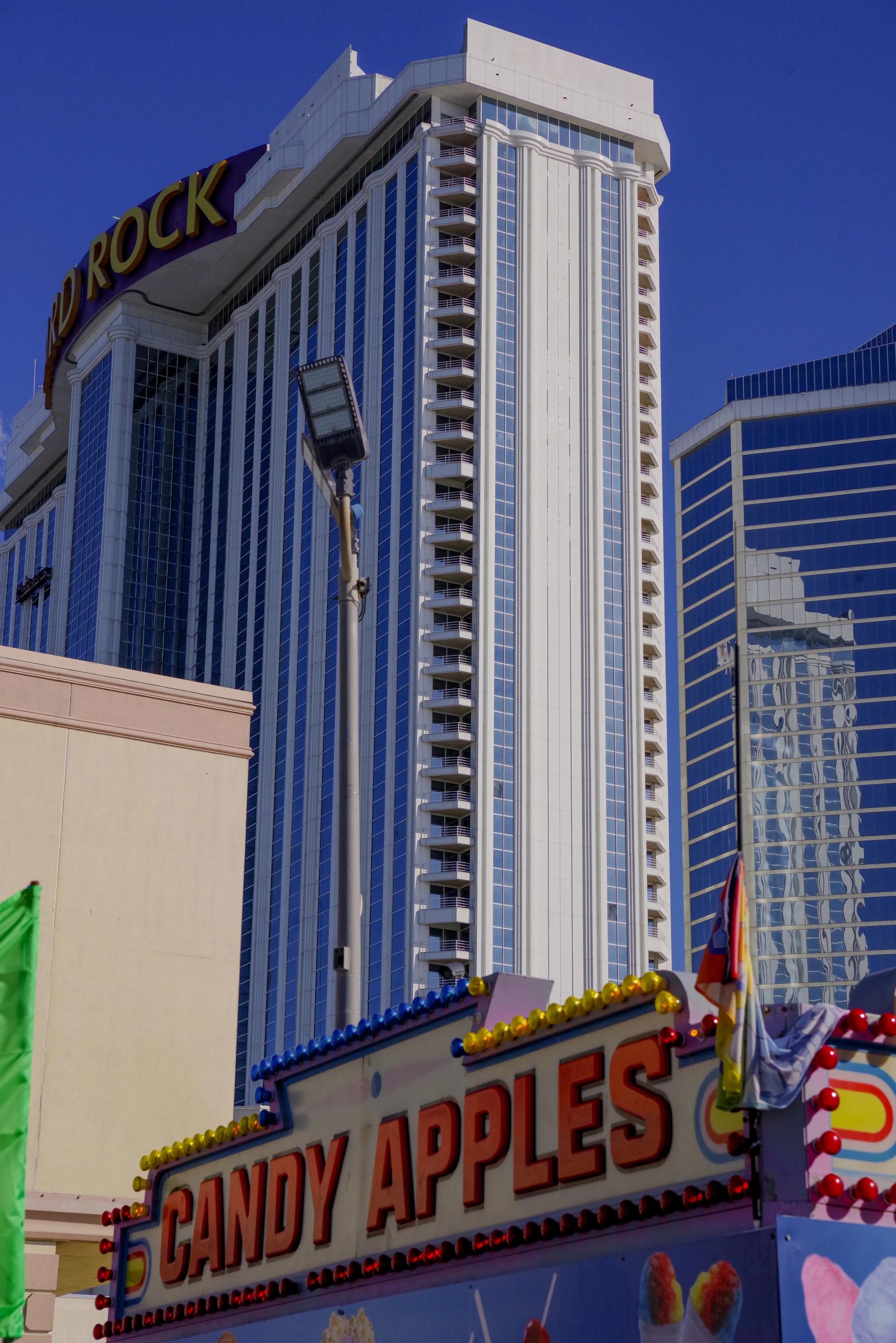
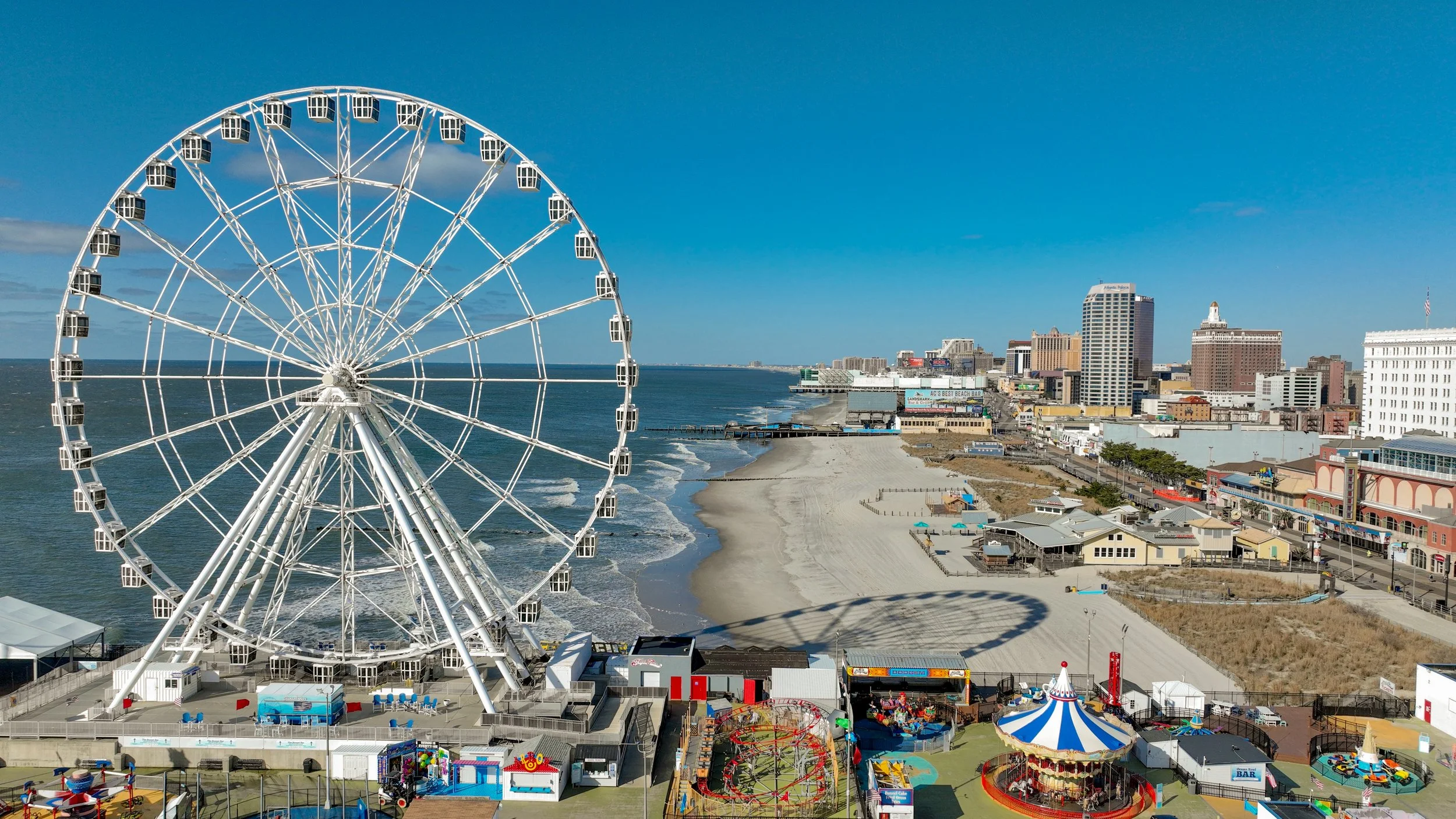
I spent a night on the 33rd floor of the fully renovated Hard Rock Hotel & Casino Atlantic City, watching the Observation Wheel at the Steel Pier casting its light across the water. Management, to my surprise, upgraded me to a 900-square-foot celebrity suite — a gesture of hospitality that translates clearly: we welcome film production, and we're putting our best foot forward.
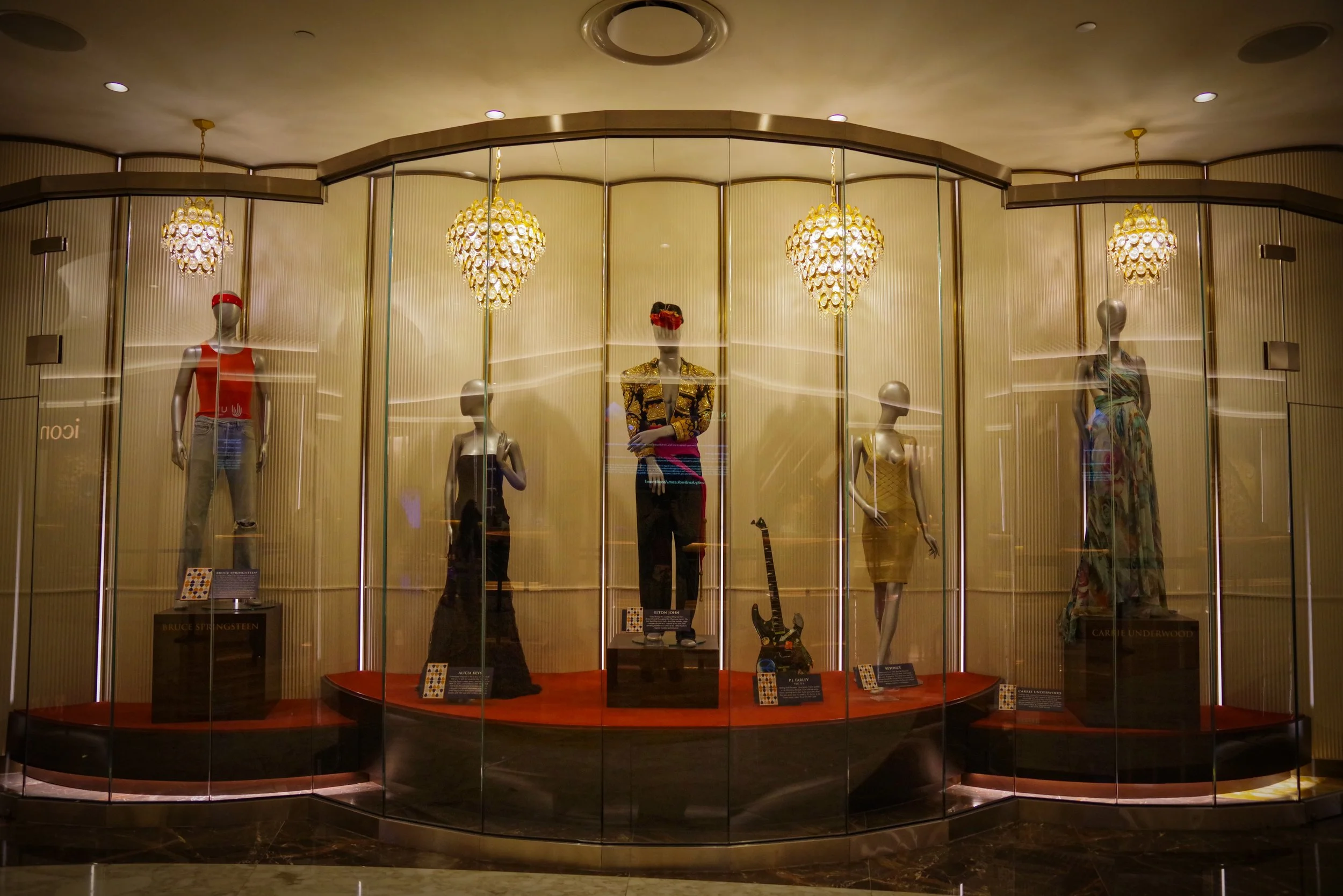
Atlantic City is, at its core, a sea town — and that identity runs beneath everything else: the gaming floors, the empty lots, the surviving towers, the strand of Boardwalk that fosters community for locals and travelers alike. Different architectural styles stack across the skyline — deco, brutalist, neon-inflected vernacular, glass-and-steel contemporaries — commissioned street art and a budding beer hall scene are the next chapter in a revitalization proving Atlantic City hasn't finished deciding what it will be next.
New Jersey surprised me, which is perhaps the best thing that can happen to a location scout. The state I had overlooked turned out to have everything: waterfront proximity, flexible urban architecture, purpose-built stage infrastructure, fast-paying incentives — and in Atlantic City, one of the most visually complex environments I've encountered anywhere. I'll be back.